
Imagine building your dream home or upgrading your property only to realize you still need a reliable water source. For many homes, farms, and rural properties around Ocala and across Central Florida, a private well is often the best solution. If you’ve never installed one before, though, the drilling process can feel complicated.
The good news: with the right team, a water well drilling project is organized, efficient, and built to deliver dependable water for decades.
At Bryant’s Pump Service & Well Drilling, we help homeowners and property owners across the region plan, drill, and complete well systems that fit their property and water needs. We know Central Florida’s groundwater patterns, soil conditions, and aquifer behavior, so your system is designed for performance and longevity fast, reliable, done right.
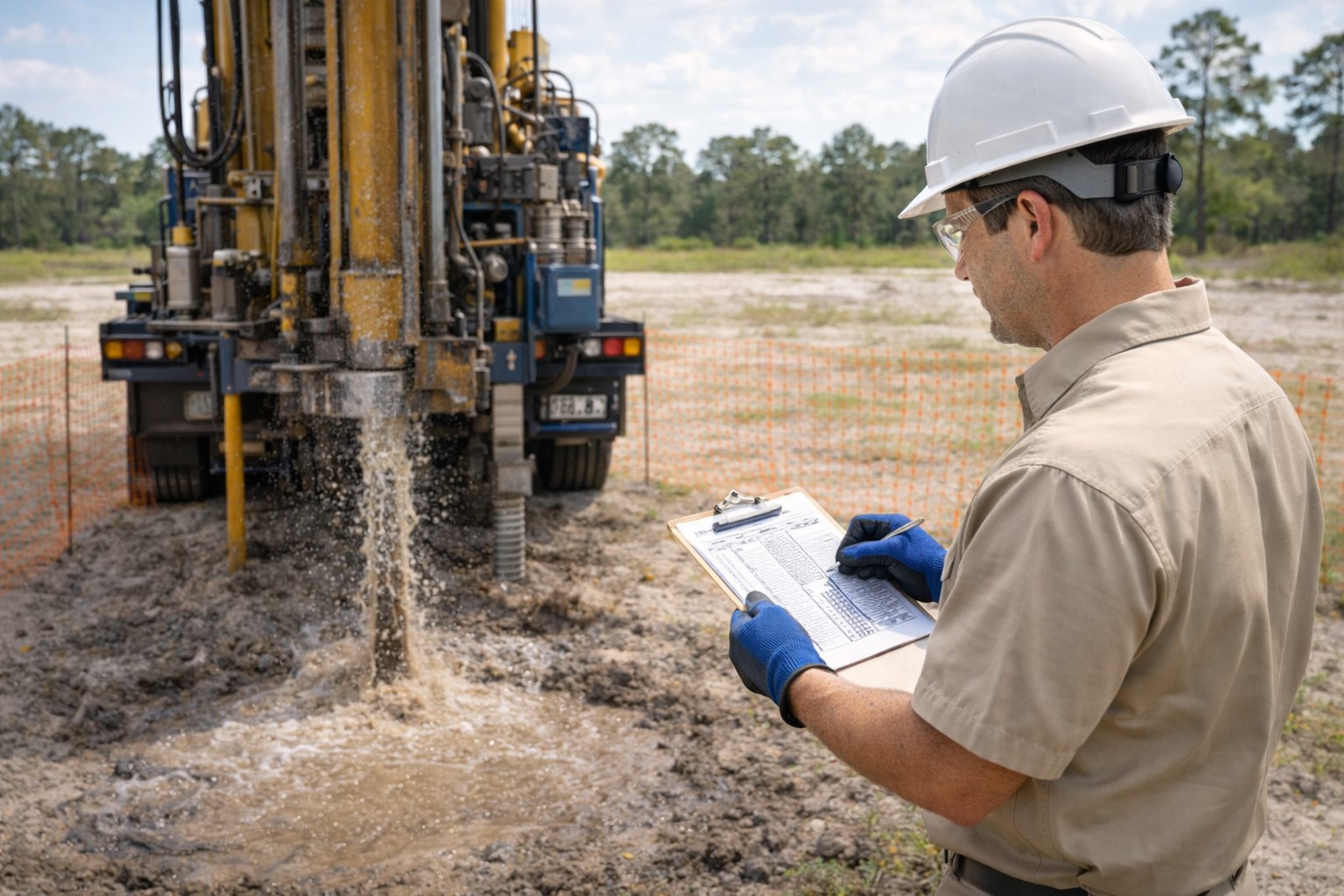
Signs It’s Time to Drill a New Water Well
If your property doesn’t yet have a private well—or your current system is failing—drilling a new well may be the most reliable long-term solution. Many rural homeowners rely on private wells for an independent water supply for drinking, irrigation, and everyday household needs.
New Construction Without Municipal Water Access
Many rural or newly developed properties in and around Ocala and Marion County are located outside municipal water service areas. When a property isn’t connected to a city water line, installing a private well becomes the most practical way to supply water for drinking, irrigation, and day-to-day use. A professionally drilled well taps into underground aquifers and can deliver dependable water for homes and new construction, farms and irrigation systems, livestock operations, and certain commercial properties. For many property owners, a private well provides long-term independence from municipal water systems while delivering reliable water access for decades—especially when there’s no city water connection available and you need dependable, on-property water independence.
Existing Well Problems or Low Water Pressure
Sometimes the issue isn’t that you need a well for the first time—it’s that your current well isn’t performing the way it should. Homeowners may notice reduced water pressure throughout the home, sediment or cloudy water, frequent pump failures, or a well that runs dry or produces less water than it used to. These symptoms can point to deeper issues in the system, including pump wear, declining well performance, or structural problems inside the well itself. When those issues become recurring, drilling a new well can sometimes be a more reliable—and more cost-effective—long-term solution than repeatedly repairing an aging system, especially if persistent pressure problems, pump issues, or reduced yield suggest repairs may no longer be the best long-term option.
What Happens During a Water Well Drilling Project
Knowing the steps ahead of time helps remove uncertainty and keeps your project moving smoothly. You’ll have a clearer sense of what happens first, what happens next, and how each step protects your water supply. Here’s what you can typically expect during a professional well drilling project.
Site Evaluation and Planning
Before drilling begins, our technicians evaluate your property to choose the best well location by reviewing local regulations and permitting requirements, assessing the layout and access, identifying safe drilling areas away from septic systems and other contamination risks, and estimating the depth needed to reach a reliable aquifer. This planning stage helps position the well for strong water production while meeting local construction and safety regulations, and thoughtful placement also helps protect water quality and avoid costly complications later.
Permitting and Regulatory Approval
Before drilling can begin, permits are typically required through the appropriate local authority, which usually means submitting well construction documentation, confirming a licensed contractor will perform the work, and providing property details tied to the well design. These requirements help protect groundwater resources and ensure wells are constructed safely, and depending on local timelines, approval may take several weeks.
Mobilizing Equipment and Preparing the Site
Once approvals are in place, the drilling crew brings specialized rigs and support equipment to your property and clears the immediate work area for safe access and efficient operation. When needed, the team may also take steps to protect items like driveways, landscaping, and nearby structures, helping minimize disruption while keeping the jobsite safer, faster, and cleaner.
Drilling the Well
During drilling, technicians use specialized equipment to bore through layers of soil, sand, and rock until reaching a water-bearing aquifer, installing protective casing as they go to stabilize the well and prevent collapse while removing debris to keep the borehole clean. In Central Florida, many wells extend into limestone aquifers that can provide substantial groundwater when properly accessed, and local experience helps crews drill safely and reach productive water sources with confidence.
Installing the Well Casing and Sealing the Well
After the target depth is reached, the well is protected by installing casing—often PVC or steel—to reinforce the structure and keep surrounding soil out of the water supply, then sealing the space around the casing with grout to help prevent contaminants from traveling down the outside of the well. These steps are essential for protecting water quality and supporting a stable, long-lasting system.
Pump Installation and System Setup
Once the well structure is complete, technicians install the components that deliver water to your property, typically including a submersible well pump, pressure tank, electrical controls, and the water lines that connect to the home, irrigation system, or other fixtures. Proper installation supports efficient operation and consistent water pressure.
Water Testing and System Start-Up
Before the system is fully operational, technicians complete final checks such as testing pump performance and flow rates, disinfecting the well using an approved procedure, and performing water quality testing when required or requested. After inspections and testing are complete, the well system can be activated for everyday use with safe operation, stable pressure, and dependable flow.
What to Do Before and During a Drilling Project
A little preparation helps the project move faster, safer, and more smoothly. It also helps the crew set up efficiently, avoid preventable delays, and keep your property and everyone on-site protected. When everyone knows what to expect and the work area is ready, the drilling team can focus on delivering a clean, reliable well installation from start to finish.
Before drilling begins
- Ensure drilling equipment has clear access to the work area
- Remove vehicles, obstacles, or equipment near the drilling location
- Confirm the locations of underground utilities through your contractor’s process, and only use the approved local utility-locating service when required
- Discuss timelines and expectations with your contractor
During the drilling process
- Expect equipment noise and temporary work activity on the property
- Keep pets and children away from the drilling area
- Follow any safety instructions provided by the drilling crew
- Allow adequate space for equipment and workers to operate safely.
How Regular Maintenance Protects Your Well System
After installation, regular maintenance helps keep your well operating efficiently for decades. Professional inspections can identify pump wear, pressure issues, or water quality concerns before they become expensive repairs.
Routine maintenance can also help prevent mineral buildup and other performance issues over time. By catching small problems early, homeowners can extend equipment life and keep water flowing reliably.
If you want a simple, ongoing plan for peace of mind, ask about scheduled inspections and preventative care options.
Important Facts About Private Water Wells
Private wells supply drinking water to millions of homes across the United States, especially in rural areas without municipal service. Proper construction, routine inspections, and consistent maintenance help protect groundwater quality and keep systems running reliably for decades.
FAQs About Water Well Drilling in Ocala, FL
Question: How long does a well drilling project take?
Answer: Most residential well drilling projects take 1–3 days once permits are approved, depending on site conditions and well depth. More complex projects or deeper wells may take longer if challenging soil or rock conditions are encountered.
Question: How deep are water wells in Central Florida?
Answer: Well depths vary widely but may range from 100 to over 1,000 feet depending on the aquifer and geological conditions. The exact depth is determined during the drilling process when contractors reach a reliable water-bearing formation.
Question: How much does it cost to drill a well in Florida?
Answer: Most private wells in Florida cost roughly $2,500 to $10,000 or more depending on depth, equipment, and property conditions. Additional costs may include pump installation, pressure tanks, and water treatment equipment if needed.
Question: Do I need a permit to drill a well?
Answer: Yes, Florida law typically requires a permit and a licensed contractor before constructing a water well. Permits help ensure the well is installed safely and protects local groundwater resources.
Question: How long does a water well last?
Answer: A properly installed and maintained well system can last 30–50 years or longer. Routine inspections and pump maintenance can help extend the lifespan of the system and maintain reliable performance.
Get Reliable Well Drilling in Ocala, FL
A water well is one of the most important systems on your property. When it’s installed correctly, it delivers clean, dependable water for decades.
At Bryant’s Pump Service & Well Drilling, we serve homeowners, farms, and businesses throughout Ocala, Belleview, Dunnellon, Silver Springs, Summerfield, and surrounding Central Florida communities with professional well drilling, pump installation, and water system services.
If you’re ready to start your well drilling project—or you have questions about your current well- schedule service. We’ll show up fast, do the work right, and treat you like family.
 352-629-3769