
Hard water is a common issue for many homeowners in Ocala, FL, especially for homes that rely on well water. High mineral content can lead to scale buildup, dry skin, cloudy dishes, appliance wear, and reduced plumbing efficiency over time.
Installing the right soft water system can help improve water quality while protecting your plumbing and appliances from long-term mineral buildup. However, with several different types of systems available, many homeowners are unsure which option is best for their home.
At Bryant’s Pump Service & Well Drilling, we help homeowners throughout Ocala and surrounding Central Florida communities choose water softening solutions based on their household size, water usage, and specific water quality concerns. Understanding the differences between soft water systems can help you make a more informed decision.
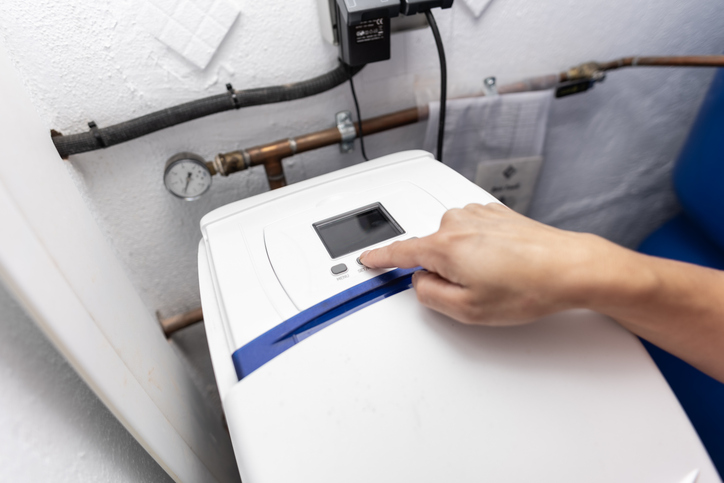
What Is a Soft Water System?
A soft water system is designed to reduce hard water minerals like calcium and magnesium before the water travels through your plumbing system. These minerals are responsible for the scale buildup and hard water problems many homeowners experience.
Soft water systems can help improve:
- Water pressure and plumbing efficiency
- Appliance performance and lifespan
- Soap and detergent effectiveness
- Water clarity and spot reduction
- Skin and hair comfort
- Overall water quality throughout the home
Because water conditions vary between homes, choosing the right system often starts with professional water testing.
Types of Soft Water Systems for Residential Use
Different soft water systems are designed to address different water conditions and household needs. Understanding how each system works can help homeowners compare the advantages and limitations of each option.
Salt-Based Water Softeners
Salt-based water softeners are one of the most common systems used in residential homes. These systems use ion exchange to remove calcium and magnesium from the water supply and replace them with sodium or potassium.
Salt-based systems are highly effective for homes with moderate to severe hard water problems. They can help reduce scale buildup, improve soap performance, and protect water-using appliances from mineral damage.
Salt-Free Water Conditioners
Salt-free systems do not technically remove hard water minerals. Instead, they help condition the minerals so they are less likely to stick to plumbing fixtures, pipes, and appliances.
These systems may work well for homes with mild hard water concerns or homeowners who want to avoid adding salt to the water system. However, they may not provide the same level of softening as traditional salt-based systems.
Dual-Tank Water Softeners
Dual-tank systems use two resin tanks instead of one, allowing the system to continue softening water even while one tank regenerates. These systems are often recommended for larger households or homes with higher daily water usage.
Because they provide continuous soft water, dual-tank systems can help maintain consistent water quality and pressure throughout the home.
Magnetic or Electronic Descalers
Magnetic or electronic descalers use electromagnetic technology to alter how minerals behave in the water. These systems are generally designed to help reduce scale buildup rather than fully soften the water.
While some homeowners use these systems for minor hard water concerns, results can vary depending on water conditions and mineral levels.
Comparing Soft Water System Features
When comparing residential soft water systems, homeowners should consider more than just the initial installation cost. Water hardness levels, household size, maintenance needs, and long-term performance all play a role in choosing the right system.
Water Softening Effectiveness
Salt-based and dual-tank systems generally provide the most noticeable reduction in hard water minerals. Salt-free and descaling systems may help reduce buildup but may not fully soften the water.
Maintenance Requirements
Some systems require regular salt refills, filter replacements, or routine servicing to maintain proper performance. Salt-free systems may require less maintenance but may also provide different treatment results.
Household Water Usage
Larger households or homes with high daily water demand may benefit from larger-capacity or dual-tank systems. Smaller homes may not require the same level of system capacity.
Water Quality Concerns
Some homes may need more than water softening alone. In Ocala homes, additional filtration may be recommended for sulfur odors, sediment, iron staining, or other well water concerns.
Common Signs Your Home May Need a Soft Water System
Hard water problems often become more noticeable over time. If you notice any of the following issues, your home may benefit from professional water softening.
- Scale Buildup: White residue or mineral deposits around faucets, fixtures, and showerheads may indicate hard water.
- Dry Skin or Hair: Hard water can make soaps less effective and leave skin or hair feeling dry.
- Cloudy Dishes or Spots: Mineral-heavy water often leaves spots or film on dishes and glassware.
- Appliance Wear: Hard water minerals can build up inside dishwashers, water heaters, and washing machines.
- Soap Scum or Poor Lathering: Hard water may reduce how well soaps and detergents work.
These issues may gradually affect plumbing efficiency, appliance lifespan, and overall water quality throughout the home. Professional water testing can help determine how severe the hard water problem is and which system may work best.
Why Professional Water Testing Matters
Before choosing a soft water system, it is important to understand your home’s actual water conditions. Professional water testing can identify hardness levels, mineral content, sediment, iron, sulfur odors, and other water quality concerns.
Testing helps ensure the recommended system is properly matched to your home’s needs. Without testing, homeowners may invest in equipment that does not fully address their water quality problems.
How Maintenance Helps Keep Soft Water Systems Performing Properly
Routine maintenance helps soft water systems continue operating efficiently over time. Depending on the type of system installed, maintenance may include adding salt, replacing filters, cleaning tanks, checking valves, and monitoring system performance.
Staying on schedule can help maintain water quality, reduce mineral buildup, protect plumbing equipment, and extend system lifespan.
FAQs About Soft Water Systems
Question: What is the best type of water softener for residential use?
Answer: The best system depends on your water hardness levels, household size, water usage, and overall water quality concerns. Professional testing can help determine the right option.
Question: Are salt-based water softeners better than salt-free systems?
Answer: Salt-based systems generally remove hardness minerals more effectively, while salt-free systems primarily help reduce scale buildup. The best choice depends on your water quality, hardness level, maintenance preferences, and household needs.
Question: Do soft water systems require maintenance?
Answer: Yes. Many systems require routine servicing, salt refills, filter changes, or inspections to maintain proper performance.
Question: Can a soft water system improve appliance lifespan?
Answer: Yes. Reducing mineral buildup can help protect water heaters, dishwashers, washing machines, and plumbing components from scale-related wear.
Question: Will a soft water system help with hard water stains?
Answer: Yes. Water softening systems can help reduce mineral deposits, spotting, and residue caused by hard water.
Question: Should homes with well water use a softener?
Answer: Many homes with well water benefit from softening systems because groundwater often contains minerals that contribute to hard water issues. A professional water test can confirm hardness levels and determine whether a softener is appropriate.
Improve Water Quality With the Right Soft Water System
Choosing the right soft water system can help protect your plumbing, improve appliance efficiency, and provide better water quality throughout your home. Comparing different systems carefully can help ensure you invest in a solution that matches your household’s long-term needs.
At Bryant’s Pump Service & Well Drilling, we proudly provide water softener installation, water treatment, filtration, and well water solutions for homeowners throughout Ocala, FL, and nearby communities. Whether you are dealing with hard water stains, mineral buildup, appliance wear, or overall water quality concerns, our experienced team is ready to help.
Ground your water in excellence. Schedule a professional water quality evaluation with Bryant’s Pump Service & Well Drilling today.
 352-629-3769