
Imagine turning on your faucet in the morning and… nothing comes out. No water for coffee, showers, laundry, or cooking. For homeowners who rely on private wells in Ocala, FL, a malfunctioning well pump can bring daily life to a halt.
Your well pump is the heart of your home’s water system. When it begins to fail, it often shows warning signs long before a complete breakdown. Catching these issues early can help you avoid expensive repairs, water contamination risks, and days without reliable water.
At Bryant’s Pump Service & Well Drilling, we help Central Florida homeowners keep their well systems running with dependable service, honest workmanship, and fast response when your water stops. Our licensed team knows the groundwater patterns, soil conditions, and aquifer behavior across Marion County and the surrounding area so you get clear answers and solutions that last.
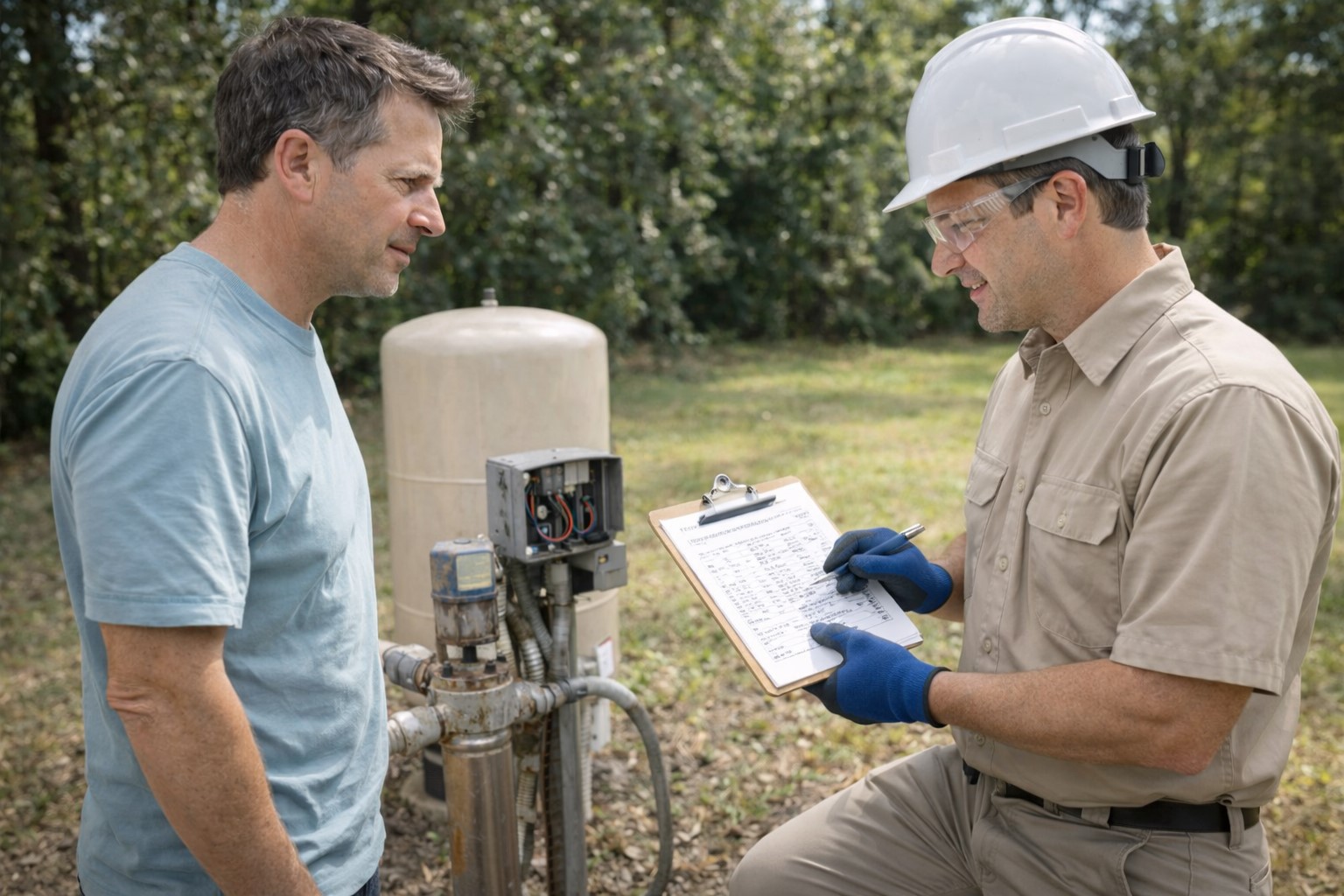
Signs Your Well Pump Needs Repair
Well pumps rarely fail without warning. Paying attention to changes in water pressure, unusual noises, or inconsistent water flow can help you catch problems early—before they become expensive emergencies. When something feels “off,” it’s usually your system’s first sign that it needs service, not your signal to wait it out.
Low Water Pressure? Your Well Pump May Be Struggling
Weak water pressure is often one of the first signs that your well pump or pressure tank is under stress. A failing pump motor, pressure tank problems, clogged pipes/screens/filters, or mineral buildup that restricts flow can all cause pressure to drop. If low pressure continues, the pump may overwork—raising the risk of burnout—so check multiple faucets and filters first and schedule a professional inspection if the issue persists.
No Water at All? Your Pump May Have Stopped Working
If no water comes from any faucet, it typically points to a serious system failure. Electrical issues (like a tripped breaker, damaged wiring, or a control box problem), a burned-out pump motor, a faulty pressure switch, or even a well that has temporarily run dry could be to blame. Because well pumps involve electrical components and underground equipment, safe troubleshooting usually requires a trained technician.
Air Spitting From Faucets? Your Well System Could Be Taking in Air
Sputtering faucets or bursts of air can mean your system is pulling air into the lines. This can happen when the well water level drops, plumbing lines develop leaks, or the pump intake becomes exposed and draws air instead of water. Left alone, this can strain the pump and reduce efficiency, so schedule an inspection if sputtering continues.
Dirty or Cloudy Water? Your Well System Needs Attention
Water that turns muddy, sandy, cloudy, or rust-colored can indicate sediment entering your plumbing system. A pump positioned too close to the bottom of the well, a worn or damaged well casing, or sediment infiltrating over time can all contribute to this issue. Beyond water quality concerns, debris can clog pipes, damage appliances, and shorten pump life if it isn’t addressed.
Pump Constantly Running? Your System May Be Overworking
A pump should cycle on and off as your home uses water, so continuous run time usually signals a system problem. A leak in the plumbing system, pressure tank failure, a malfunctioning pressure switch, or internal wear in the pump can keep it from shutting off properly. Continuous operation can overheat the motor and cause premature failure, so getting it checked quickly can prevent bigger damage.
Any combination of low pressure, odd sounds, air in the lines, dirty water, or nonstop run time is your system’s way of asking for help—before everything stops.
What to Do If You Notice These Warning Signs
When your well pump shows signs of trouble, acting early can protect your pump, plumbing, and water quality. Here are safe, homeowner-friendly steps to take.
Step-by-Step Troubleshooting Checklist
1. Check your circuit breaker
A tripped breaker can cut power to the pump and stop water flow. If you see a trip, you can reset it once. If it trips again—or you’re unsure—stop and call a professional, since repeat trips often signal a deeper electrical or pump problem.
2. Inspect the pressure switch (visually only)
The pressure switch controls when the pump turns on and off. Dirt, corrosion, or wear can prevent proper operation. Because it’s part of an electrical control system, avoid opening or servicing it yourself—have a technician evaluate it safely.
3. Check your water filters
Clogged filters can cause low pressure and inconsistent flow, especially with sediment or mineral-heavy groundwater. Replace filters per the manufacturer’s directions. If pressure doesn’t improve, schedule service.
4. Listen for unusual pump sounds
Grinding, humming, clicking, or constant running can point to mechanical wear or electrical issues. If noises are coming from the pump or tank area, avoid DIY electrical troubleshooting and call for an inspection.
5. Turn the system off if problems persist
Continuing to run a malfunctioning pump can cause serious motor damage. If you notice ongoing issues (low pressure, constant cycling, burning smells, sparking, or visible damage), keep your distance and call immediately.
6. Schedule a professional well inspection
A trained technician can assess the pump, pressure tank, electrical components, and well conditions to pinpoint the cause—often before the issue turns into a full system failure.
How Regular Maintenance Can Prevent Expensive Repairs
Routine well system maintenance is one of the best ways to keep your household water supply safe, reliable, and efficient. Preventative service typically includes checking pump performance, testing the pressure tank, looking for leaks, reviewing electrical components, and watching for sediment or mineral buildup.
If you want ongoing peace of mind, ask about our Maintenance Plan, which includes two well inspections per year, a 5% discount on repairs, and added support like routine tank inspections and leak detection.
A simple tune-up today can help catch small issues early—before they become major repairs.
How Long Does a Well Pump Typically Last?
Most well pumps last 8–15 years, depending on use, groundwater conditions, and maintenance. Sediment, mineral content, and overall workload all affect lifespan.
Because many rural homes around Ocala rely on well systems as their only water source, regular inspections are a smart way to extend pump life and reduce the chance of a surprise failure.
FAQs About Well Pump Repair in Ocala, FL
Question: How much does well pump repair cost in Ocala?
Answer: Minor repairs may cost a few hundred dollars, while pump replacement or major electrical repairs can cost significantly more depending on depth and equipment. The final price usually depends on the type of pump, the depth of the well, and the complexity of the repair required.
Question: How long do well pumps typically last?
Answer: Most residential well pumps last 8–15 years with proper maintenance. Regular inspections and routine servicing can help extend the lifespan of the pump and reduce the likelihood of unexpected breakdowns.
Question: What causes well pump failure?
Answer: Common causes include motor wear, electrical issues, sediment buildup, pressure tank failure, or dry well conditions. Over time, heavy usage and mineral content in groundwater can also contribute to gradual wear and reduced pump efficiency.
Question: Should I repair or replace my well pump?
Answer: If your pump is older than 10 years or requires frequent repairs, replacement may be more cost-effective. A professional inspection can help determine whether repairing the current pump or installing a new system is the better long-term solution.
Question: How often should a well system be inspected?
Answer: Homeowners should schedule annual inspections to ensure the pump, pressure tank, and water quality remain safe and reliable. Regular inspections help detect small issues early before they develop into larger and more expensive system problems.
Reliable Well Pump Repair in Ocala and Surrounding Areas
For homeowners throughout Ocala and Marion County, a dependable well system is essential for everyday life. When problems arise, having an experienced local team makes all the difference.
Bryant’s Pump Service & Well Drilling provides comprehensive well services including well pump repair, well drilling, pressure tank service, water treatment solutions, and preventative maintenance—with 24/7 emergency response when your water stops.
Don’t wait until your water stops flowing. Call to schedule well pump service and ground your water in excellence.
 352-629-3769