
Imagine waking up, turning on the faucet and nothing comes out. No water for coffee, showers, or even flushing toilets. If your home relies on a private well, a pump or pressure system issue can disrupt your day instantly.
At Bryant’s Pump Service & Well Drilling, we know that when your water stops, everything stops. That’s why our licensed, local team responds with 24/7 emergency service and fixes that are fast, reliable, and done right throughout Ocala and surrounding Central Florida communities.
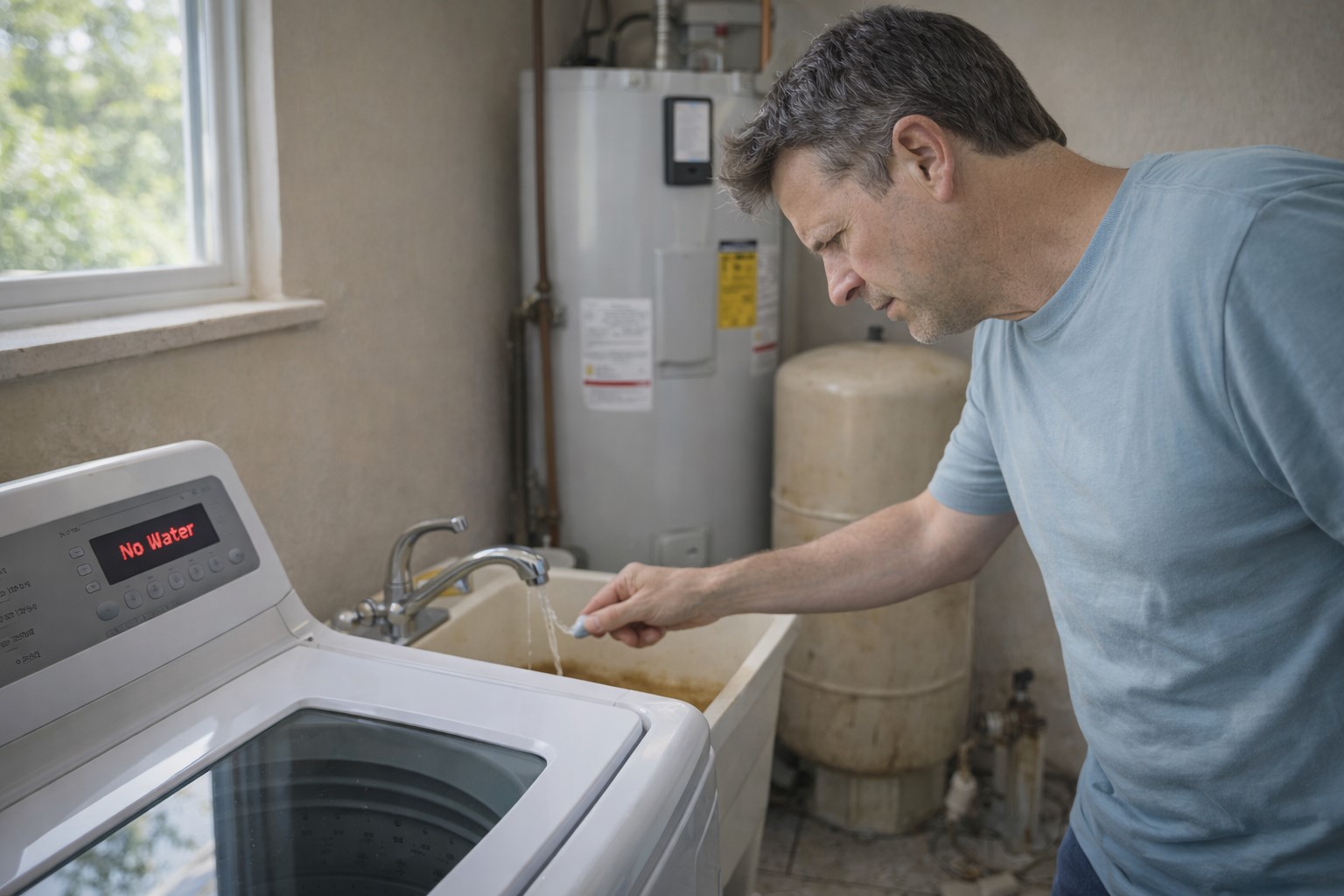
Signs Your Well Pump Needs Emergency Service
Your well pump delivers water from underground into your home’s plumbing. When something starts to fail, your system will often give warning signs before it fully quits. Catching these symptoms early can help you avoid a total loss of water (and bigger repair bills).
Low or Inconsistent Water Pressure
A sudden drop in pressure—or pressure that swings from strong to weak—often means your well system is struggling to keep up. This can be linked to a weakening pump motor, clogged pipes or filters, pressure tank problems, or a failing pressure switch. Pressure issues rarely resolve on their own, and if you’re noticing low pressure at multiple fixtures, it’s best to have a well professional inspect the system before it escalates into a no-water emergency.
No Water From Faucets
Turning on the tap and getting no water at all is one of the clearest signs you need emergency well service. The cause could be a failed pump motor, an electrical issue (like a tripped breaker), dry well conditions, or a broken underground water line. Because your well is your primary water source for drinking, bathing, cooking, and cleaning, a total loss of water typically requires immediate professional diagnosis and repair.
Sputtering Faucets or Air in the Water Lines
If faucets sputter, spit air, or deliver bursts of water and air, your system may be pulling air into the plumbing. This can happen when pipes develop leaks, the water level drops in the well, or a pump seal is worn or damaged. Air in the lines forces the pump to work harder, adds stress to components, and can speed up pump failure—so it’s a warning sign worth taking seriously.
Cloudy, Rusty, or Dirty Water
A sudden change in water color or clarity can indicate sediment, minerals, or debris entering your water supply. This may occur if the pump begins pulling sediment from the bottom of the well, if the well casing or pipes are damaged, or if a filtration component has failed. Beyond looking unpleasant, dirty or discolored water can damage fixtures and appliances—and may signal a water-quality concern that deserves fast attention.
Strange Noises From the Pump or System
A healthy well pump typically operates quietly. If you notice grinding, banging, rattling, or loud humming, it can point to mechanical wear, loose components, or motor problems. Unusual noises are often an early “something’s wrong” alert—addressing them quickly can help prevent a sudden breakdown.
Sudden Increase in Your Electric Bill
Because well pumps run on electricity, a pump that’s struggling can drive up energy use. If your bill spikes without a clear reason, your pump may be running longer than normal, cycling too frequently, or working against a pressure issue or hidden leak. A well technician can test the system, pressure controls, and related components to identify what’s causing the extra run time.
What to Do If You Notice These Warning Signs
Acting early can prevent bigger failures—and help protect your home’s water supply. The sooner you address warning signs, the more likely you are to avoid a complete loss of water and more costly repairs.
Use this simple troubleshooting checklist:
- Check for a broader power issue in your home and note anything unusual for your technician. (Avoid opening panels or working on electrical components.)
- Look around the pressure tank area for visible leaks, corrosion, or damage—without touching wiring, switches, or fittings.
- Inspect the well area from a safe distance for wet ground, pooling water, or obvious damage. (Do not open the well cap or disturb the wellhead.)
- Avoid heavy water use if pressure is extremely low.
- Call a professional well pump technician if symptoms continue.
Well systems involve electrical and high-pressure components—plus equipment located deep underground—so repairs should be handled with the right tools, training, and safety practices.
How Regular Well Maintenance Helps Prevent Emergencies
Routine service is one of the best ways to extend the life of your well pump and reduce the odds of a sudden “no water” event. It also helps your technician catch small issues—like pressure drift, electrical wear, or early pump strain—before they turn into an after-hours emergency.
Benefits of professional maintenance can include:
- Early detection of pump wear
- Pressure tank testing and adjustment
- Electrical system inspection
- Water quality testing
- Sediment buildup identification and removal
Many residential well pumps last 10–15 years with proper care. Skipping maintenance can shorten lifespan and increase the risk of surprise failures.
How Florida Soil Conditions Can Affect Well Pump Performance
Central Florida’s sandy soils and mineral-rich groundwater can contribute to sediment buildup over time. As sediment accumulates, the pump may work harder than it should, increasing wear and reducing efficiency.
Regular inspections help catch sediment-related issues early—protecting both your pump and the plumbing throughout your home.
FAQs About Emergency Well Pump Service in Ocala, FL
Question: How do I know if my well pump has failed?
Answer: If you have no water, extremely low pressure, or hear loud noises from the pump, your well pump may have failed and should be inspected immediately. These symptoms often indicate internal motor damage, electrical issues, or pressure system problems that require professional diagnosis.
Question: What causes sudden well pump failure?
Answer: Common causes include electrical problems, worn pump motors, pressure tank issues, sediment buildup, or leaks in the water line. Over time, these problems can place additional strain on the pump until it suddenly stops working.
Question: How long do well pumps typically last?
Answer: Most residential well pumps last 10–15 years depending on water quality, usage, and maintenance. Regular inspections and maintenance can sometimes extend the lifespan of the pump and prevent unexpected failures.
Question: Can a well pump stop working suddenly?
Answer: Yes. While most pumps show warning signs first, electrical failures or motor burnout can cause sudden shutdowns. This is why unusual noises, pressure changes, or sputtering faucets should always be checked quickly.
Question: Should I repair or replace my well pump?
Answer: If the pump is relatively new, repairs may solve the issue. Older pumps nearing the end of their lifespan are often more cost-effective to replace, especially if repairs are becoming frequent.
Restore Your Water Quickly With Bryant’s
Your well pump is the heart of your home’s water system. When it fails, the impact is immediate—but the right team can help you get back to normal fast.
If you’re experiencing low pressure, strange noises, sputtering faucets, or no water at all, Bryant’s Pump Service & Well Drilling is here with 24/7 emergency response in Ocala and surrounding areas.
Call or schedule service to get dependable well pump help—fast, reliable, and done right.
 352-629-3769