
Imagine turning on your faucet in the morning only to hear sputtering pipes or see barely a trickle of water. If your home relies on a private well, a pump problem can throw your whole day off fast. Your well pump is the heart of the system, delivering the water you count on for drinking, cleaning, cooking, and bathing.
The good news is that most well pump issues don’t happen out of nowhere. They usually show a few warning signs first. Catching those signs early can help you avoid bigger damage, protect water quality, and reduce the chances of an unexpected no-water emergency.
At Bryant’s Pump Service & Well Drilling, we help homeowners, farms, and businesses across Ocala and Central Florida keep their water running with honest workmanship and solutions that last. Need help now? We’re available with a 24/7 emergency response because when your water stops, everything stops.
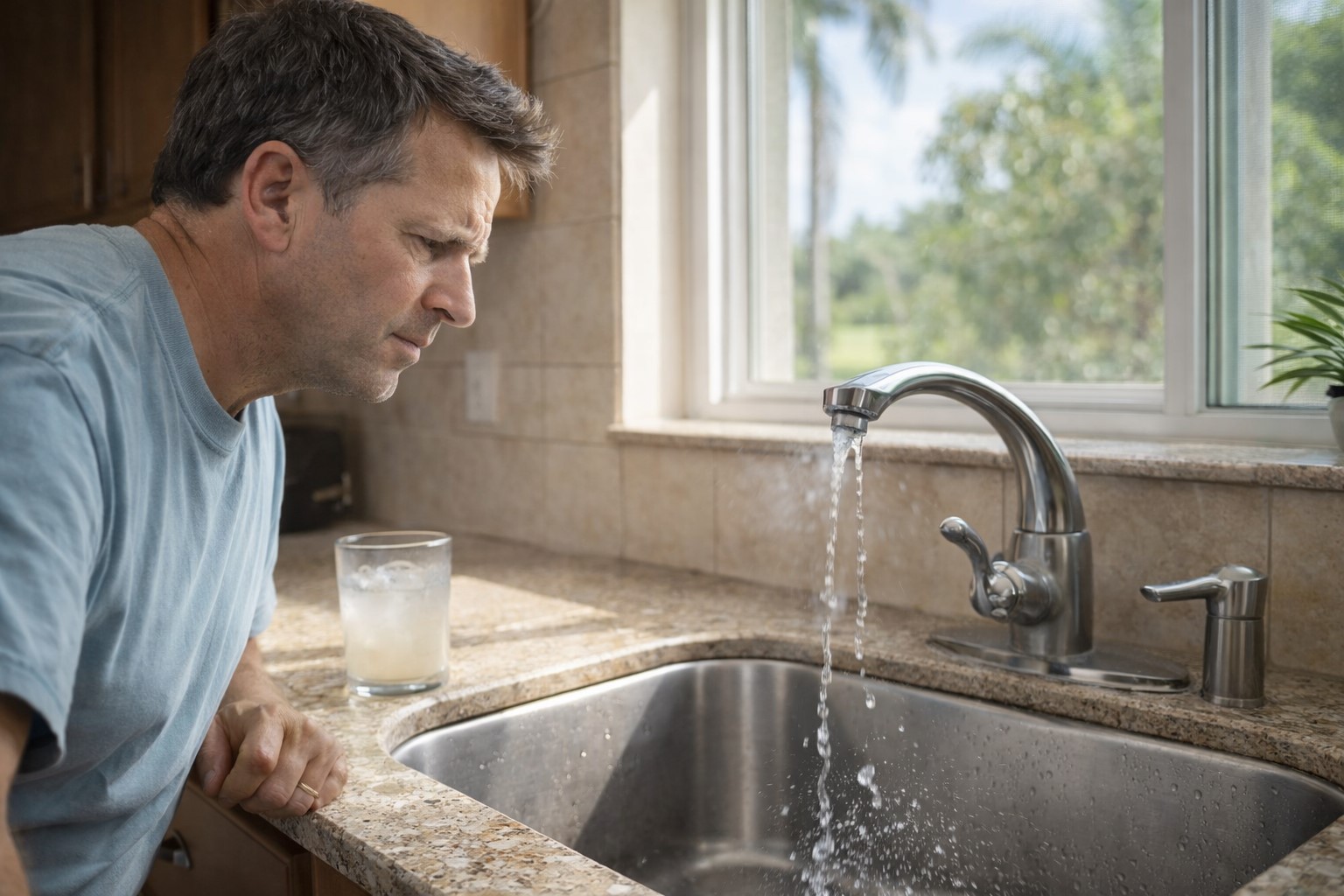
Signs Your Well Pump Needs Repair
Below are the most common warning signs that your well pump may be failing. These symptoms often start small but can worsen quickly if the root cause isn’t addressed. If you spot any of the issues below, it’s smart to take action early—before a minor problem turns into a no-water emergency.
Low or Fluctuating Water Pressure
Low or inconsistent water pressure is often one of the first signs something’s off, and it’s commonly tied to worn pump components, a failing pressure switch, a pressure tank issue, or clogs in pipes, filters, or treatment equipment. If the issue continues, pressure may keep dropping until the pump struggles to supply water to showers, faucets, and appliances. You can check and replace obvious clogged filters, but ongoing pressure problems are best diagnosed by a licensed professional—especially when the pressure changes suddenly.
Sputtering Faucets or Air in the Pipes
If water spits, sputters, or blasts air when you turn on the tap, air may be entering the plumbing between the well and your home due to cracked piping, loose connections, pump intake problems, or even a dropping water level in the well. Air in the lines can strain the system and may signal a developing leak or pump problem. If sputtering continues, reduce water use and schedule an inspection to pinpoint where air is getting in.
Dirty, Cloudy, or Sandy Water
Well water should usually run clear, so if you notice cloudiness, grit, or discoloration, it can indicate sediment is being pulled into the system. This may happen when the pump is set too low, the well screen is damaged, or pump components are wearing and pulling debris into the water line. Sediment can clog fixtures, wear down appliances, and reduce system efficiency over time, so a professional evaluation can help determine whether the pump needs adjustment, repair, or added filtration to protect your home’s water.
The Pump Runs Constantly or Cycles Too Often
Your pump should turn on when pressure drops, then shut off once the pressure tank is refilled, so nonstop running or frequent short-cycling usually points to a pressure switch malfunction, a failing pressure tank, a leak somewhere in the system, or pump motor wear. This type of operation wastes electricity and puts heavy stress on equipment, which can shorten pump life and lead to burnout. The sooner you address frequent cycling, the more likely you can prevent a bigger failure.
No Water at All
If you turn on a faucet and nothing comes out, the pump may have stopped working entirely due to an electrical failure (breaker, wiring, or controls), a burned-out pump motor, pressure switch failure, or a water level drop below the pump intake. Sometimes it’s a simple power-related issue—but if water doesn’t return quickly, it’s time for immediate professional diagnostics.
What to Do If You Notice These Warning Signs
If you suspect a well pump problem, quick action can prevent more serious damage. Here’s a safe, homeowner-friendly checklist to help you assess the situation before calling a technician. When in doubt, it’s always safer to limit water use and bring in a trained pro—well systems combine water pressure and high-voltage components.
Step-by-Step Troubleshooting Checklist
1. Check for obvious power or outage issues
If your home has lost power, your well system won’t run. If you suspect an electrical issue specific to the pump, avoid repeated resets. Well pumps involve high-voltage components—leave diagnosis and repairs to trained professionals.
2. Inspect visible plumbing from a safe distance
Look for leaks, corrosion, loose fittings, or damaged pipes in accessible areas. Don’t disassemble components or open sealed electrical boxes. Even small leaks can reduce pressure and make the pump work harder.
3. Test whether the issue affects the whole home
Turn on multiple faucets in different areas. If the problem is consistent everywhere, the issue is more likely related to the pump, pressure tank, or pressure controls.
4. Pay attention to unusual sounds
Grinding, humming, clicking, or new noises near the pump or pressure tank can point to mechanical or motor issues. Limit water use and schedule service if sounds are persistent.
5. Call a professional technician
Well systems require specialized tools and experience. A licensed technician can safely inspect the pump, controls, pressure system, and plumbing to find the cause without creating further damage.
If you notice electrical smells, heavy sediment, or sudden water loss, stop using the system and contact a professional immediately.
How Regular Maintenance Helps Prevent Costly Well Pump Repairs
Routine maintenance is one of the best ways to extend pump life and reduce surprise breakdowns. It gives you a chance to catch small pressure, electrical, or sediment issues before they turn into major damage. With proper care, a typical well pump can last 10–15 years.
Benefits of Regular Well Maintenance
- Detects worn pump components early
- Helps prevent sediment buildup and clogging
- Maintains strong, steady water pressure
- Protects water quality
- Reduces emergency repair costs
Central Florida’s groundwater conditions can affect pump performance over time, which is why routine inspections matter.
At Bryant’s Pump Service & Well Drilling, we provide complete well system evaluations, pump inspections, and water testing to help keep your system running efficiently.
Why Early Well Pump Repairs Matter
Many pump failures start as small pressure changes or minor sediment issues that are easy to overlook. Addressing problems early can:
- Reduce the risk of total water loss
- Help avoid full pump replacement
- Extend the life of your pump and pressure system
- Protect plumbing fixtures and appliances
When you need help, you deserve a team that shows up fast, communicates clearly, and gets it done right.
FAQs About Well Pump Repair in Ocala, FL
Question: How much does well pump repair cost in Ocala?
Answer: Costs vary depending on the issue, but many repairs involve pressure switches, electrical components, or pump parts. A professional inspection can determine the exact problem and the most cost-effective repair solution.
Question: How long does a well pump last?
Answer: Most well pumps last 10–15 years with proper maintenance. Regular inspections and prompt repairs can help extend the lifespan of your system and prevent unexpected breakdowns.
Question: Should I repair or replace my well pump?
Answer: If the pump is relatively new, repair is often the best option. Older systems that experience frequent problems may be more cost-effective to replace.
Question: Why is my well pump running constantly?
Answer: This usually indicates a pressure tank issue, a leak, or a failing pressure switch. Continuous operation can damage the pump, so the system should be inspected as soon as possible.
Question: How often should a well pump be serviced?
Answer: Most systems should be professionally inspected once per year to prevent major problems. Routine service helps detect wear early and ensures the pump continues operating efficiently.
Protect Your Home’s Water Supply
Reliable water is essential for any well-dependent home, and even small changes can be your system’s way of asking for attention. If you notice pressure issues, unusual noises, air in the lines, or changes in water quality, addressing the problem early can help prevent major disruptions. The sooner you get it checked, the better your chances of protecting your pump, preserving water quality, and avoiding an unexpected loss of water.
Call Bryant’s Pump Service & Well Drilling for fast diagnostics, honest recommendations, and dependable solutions—fast, reliable, done right.
 352-629-3769